What are three common missteps organizations make when deploying ergonomics initiatives?
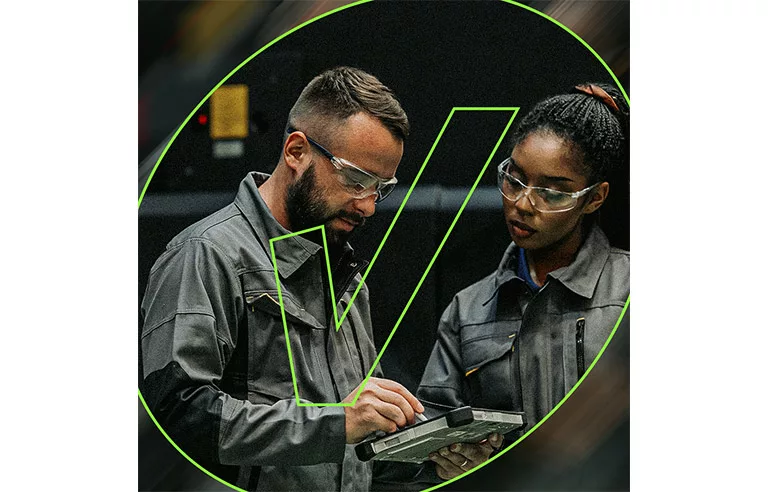
Responding is Blake McGowan, head of product marketing, ergonomics, VelocityEHS, Chicago.
Many organizations invest heavily in ergonomics – new tools, assessments, training programs – yet fail to see sustained measurable results. Injury rates decline in the short term but remain flat over the long run. Operations don’t improve. Executives start questioning the value of ergonomics altogether.
The problem isn’t that “ergonomics” doesn’t work. It’s that most organizations approach it in an ineffective way. Over the past two decades, I’ve seen the same preventable mistakes distract well-intentioned programs again and again.
1. Treating ergonomics as a safety program only
Ergonomics often lives in the safety department, managed by well-meaning professionals who care deeply about protecting people. But when ergonomics is siloed in safety and health, it loses strategic impact.
True success happens when ergonomics is integrated across the organization – operations, engineering, human resources and even finance. Why? Because poor ergonomics affects more than injuries; it affects employee engagement, process stability, product quality and productivity.
When leaders view ergonomics as a business improvement process – not a reactive injury initiative or a compliance checkbox – it starts generating meaningful, measurable return on investment.
2. Focusing on tools instead of process
Many organizations jump straight to assessments – software, wearables, artificial intelligence and checklists – without building a process. Technology can accelerate progress, but only if it supports a structured framework.
ISO 45001 and ANSI Z10 both emphasize the importance of embedding ergonomics within a formal management system. Without a clear process for assessing risk, prioritizing improvements, verifying results, replicating best practices and proactively applying design guidelines for ergonomics, even the most sophisticated tools won’t deliver sustainable outcomes.
Start simple: identify where your key risks are to establish where to start, set clear improvement targets and define how you’ll measure success. Tools should serve the process, not replace it.
3. Failing to quantify impact
You can’t manage what you don’t measure. Too many programs only focus on counting injuries and associated costs. That’s not enough and leaves too much unclaimed value on the table.
Leaders want to know: What did this initiative do for the business?
Ergonomics should be measured in terms of operational performance – reduced cycle time, improved quality, decreased turnover, enhanced employee engagement and increased throughput. Those metrics resonate in the boardroom and secure long-term investment.
In a recent case study featuring AGCO, the company demonstrated how ergonomics can transform productivity and employee well-being. The ergonomics initiative was sponsored by the senior vice president of supply chain, housed within the AGCO production system function, and led by the director of Lean Academy and APS – not the safety function and not a safety professional.
By integrating ergonomics into APS and using Kaizen methodology, AGCO achieved exceptional operational performance – driving almost 400 ergonomics Kaizen events in the first year. These efforts documented measurable improvements in process stability, enhanced product quality, increased production, improved operational efficiency and cost reductions. The initiative also drove a reduction in injury rates of more than 50%.
The bottom line
Ergonomics isn’t only about assessments or compliance. It’s about improving how work gets done. Organizations that broaden ownership, focus on process and quantify results see the biggest gains in both safety and performance.
The difference between a stalled program and a successful one often comes down to a leadership mindset. When leaders stop asking, “How do we reduce injuries?” and start asking, “How do we improve how people work?” that’s when ergonomics becomes a true business advantage.
McCraren Compliance offers comprehensive safety training to help prevent accidents. Visit our class calendar to see how our training and consulting services can enhance your safety efforts.
Original article published by Safety+Health an NSC publication