Photo: Skyhobo/Getty Images
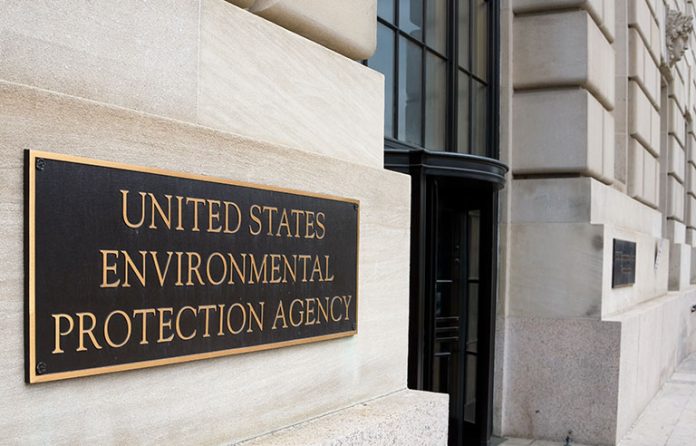
Washington — The Environmental Protection Agency is accepting comment on a proposal that would extend various compliance deadlines for Toxic Substances Control Act rules covering the use of perchloroethylene and carbon tetrachloride.
PCE has been linked to cancer and other adverse health effects involving the nervous system, kidneys and liver. It’s found in multiple everyday products such as household cleaning products.
CTC is found in commercial and industrial products. The substance has been linked to cancer and liver toxicity related to inhalation and being exposed to or absorbed through the skin.
EPA is requesting feedback on a proposed rule that would:
- Extend the PCE and CTC compliance date for initial monitoring for inhalation exposure to June 21, 2027.
- Extend the PCE and CTC compliance date to meet the existing chemical exposure limit, establish a regulated area, provide any required personal protective equipment and establish a respiratory PPE program to Sept. 20, 2027.
- Extend the PCE compliance date for nonfederal entities to establish and implement an exposure control plan to Dec. 20, 2027.
EPA previously found that both carcinogenic chemical substances pose “unreasonable” risk to workers in certain operations. The agency says the proposed action “does not impact or diminish any worker protections that are already in place for these chemicals.”
EPA issued final rules on the use of PCE and CTC in December 2024 before reviewing them last year. Both rules are facing legal challenges.
“Our intention is to ensure that, once in effect, these protections are durable, enforceable and not easily rolled back in court or by future administrations,” EPA says. “We remain committed to reducing exposure to these solvents, and we welcome continued input as we revise and strengthen the rules.”
In an April 14 letter addressed to EPA administrator Lee Zeldin, Rep. Raja Krishnamoorthi (D-IL) calls for the proposal to be withdrawn.
“The EPA, under your leadership, is undermining the Workplace Chemical Protection Program by extending compliance deadlines specifically designed to shield workers from dangerous chemical exposure,” Krishnamoorthi says. “These delays directly postpone the implementation of critical safeguards for those most at risk, including workers who handle hazardous substances every day. At a time when the science is clear and the dangers are well documented, any further delay only prolongs preventable harm and erodes the integrity of the protections established under the Toxic Substances Control Act.”
The deadline for comment is April 27.
McCraren Compliance offers comprehensive safety training to help prevent accidents. Visit our class calendar to see how our training and consulting services can enhance your safety efforts.
Original article published by Safety+Health an NSC publication