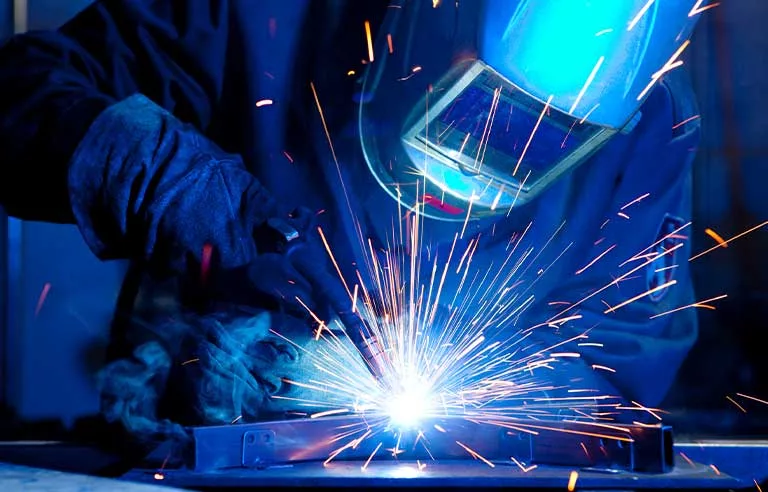
Washington — Employers can help prevent cases of welder’s anthrax – an often-fatal respiratory illness – by using safe work practices that limit exposure to “harmful metal fumes that might predispose welders” to the condition, the Centers for Disease Control and Prevention says.
Welder’s anthrax is caused by infection with anthrax toxin-producing Bacillus cereus group bacteria. In the January issue of CDC’s Morbidity and Mortality Weekly Report, the agency says the illness has recently been detected in a handful of workers in the South.
In September 2024, the illness was diagnosed in a “young, previously healthy welding apprentice in Louisiana.” Doctors treated the worker with the medication obiltoxaximab, provided additional medicine to combat bacteria and drained fluid from his chest.
The worker eventually recovered from the illness.
Six welders or metalworkers – all from Texas or Louisiana – have died after contracting the disease and two more survived. Risk factors for the bacterial infection aren’t well understood, CDC says.
The agency’s advice: “Welder’s anthrax should be considered in the differential diagnosis of pneumonia among welders or metalworkers in the southern United States. Obiltoxaximab may be used as an adjunct to antimicrobial therapy for patients with suspected welder’s anthrax.
“To help prevent infections, employers of welders and metalworkers can follow best practices to minimize workplace exposure to welding fumes and gases, as well as soil and dust exposure in worksite areas where the bacteria might be present.”
McCraren Compliance offers comprehensive safety training to help prevent accidents. Visit our class calendar to see how our training and consulting services can enhance your safety efforts.
Original article published by Safety+Health an NSC publication