


Did You Know?
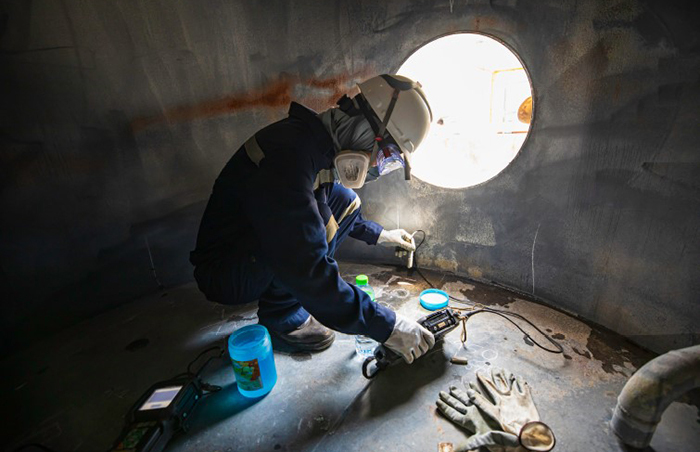
Hydrogen sulfide (also known as H2S and sewer gas) is a colorless gas known for its powerful “rotten egg” odor. It is extremely flammable and highly toxic. Used or produced in a number of industries, hydrogen sulfide also occurs naturally in sewers, manure pits, well water, and oil and gas wells. Because it is heavier than air, it can collect in low-lying or enclosed spaces, such as manholes, sewers, and underground telephone vaults. Even low levels can cause health hazards and make working in confined spaces potentially very dangerous. Symptoms can range from headaches or eye irritation, to unconsciousness and death. It can also cause an explosion if exposed to a spark, flame, or other ignition source.
To protect workers:
- Evaluate exposure to know whether H2S gas is present and at what levels.
- Eliminate the source of hydrogen sulfide whenever possible.
- If the source cannot be eliminated, control exposures through engineering controls (first line of defense) or administrative controls and safe work practices to reduce exposures to safe levels.
- Use personal protective equipment if engineering controls and work practices alone cannot reduce hydrogen sulfide to safe levels.
Visit our website for more information on how hydrogen sulfide can affect your health, and how to prevent harmful exposures.
McCraren Compliance offers many opportunities in safety training to help circumvent accidents. Please take a moment to visit our calendar of classes to see what we can do to help your safety measures from training to consulting.
Original article published by OSHA