Photo: MSA Safety
Responding is Anne Osbourn, connected services and solutions manager, MSA Safety, Cranberry Township, PA.
When thinking about your gas detection program, look at it as having three basic components: behavior, tools and data. When these components work together, they create a balanced cycle, impacting areas such as worker safety, productivity and bottom-line outcomes.
But like many of today’s industrial workers, you probably use more safety tools and connected devices than workers decades ago could have ever imagined. And, understandably, the number of tools and amount of data available – and what to do with them – may seem overwhelming.
Here are five suggested steps for how you can use fleet data to help enhance your gas detection programs:
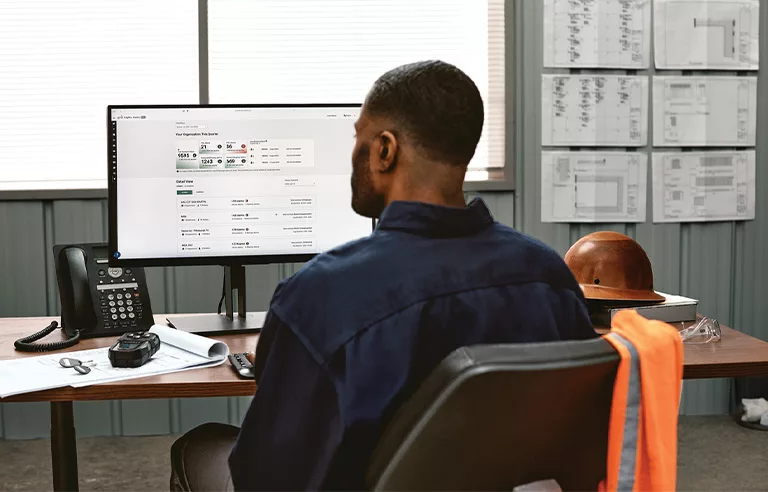
- Identify core problems. At the core of a healthy gas detection program are two basic factors: properly maintained gas detectors and a thorough understanding of potential exposures. Connected solutions involving both hardware and software can help you and your team identify maintenance issues and exposure risks. With a connected gas detection solution, you can gain insights into which devices are due to be bump tested or calibrated before going out to the field, as well as who those devices belong to, ultimately identifying a core problem that can be addressed through proper training.
- Involve workers. Understanding and discussing workers’ relationships with the devices they’re using and the data those devices generate can help deliver key insights into how those devices are truly being used in the field. You can also identify workers who may benefit from additional training – or additional encouragement and reward, when warranted.
- Gather focused insights. Gather insights on core key performance indicators or unusual occurrences. If teams aren’t aligned with the data they want to collect and what their overarching KPIs are, then it’s important they spend time laying out the core areas with all stakeholders. Ensure everyone knows what data is important, how the data is used, why it matters in reaching shared goals and metrics, and what their role is in reaching those goals.
- Complete the cycle. To complete the cycle and gain a clear picture, hold conversations with field employees. Some questions that might be helpful:
- Can you walk me through that process for confined space entry?
- Do you have the right accessory or instrument type?
- Do you have enough charging stations, test banks or pump probes?
- Conduct data-driven conversations. Communicate data-driven actions and their value to your organization. A clear understanding of processes and procedures can help guide field teams; return on investment and value-added metrics for the business can help enlighten executives – and help you make the case for increased investments in safety solutions.
As a final note, understanding fleet data and using it to enhance gas detection programs starts with acknowledging the three basic components of a modern gas detection program, then following core steps to retrieve and analyze data and behaviors to achieve a balanced cycle.
A connected solution can help provide the device and worker data and insights to help you simplify fleet compliance, enhance worker visibility and drive organizational productivity.
McCraren Compliance offers comprehensive safety training to help prevent accidents. Visit our class calendar to see how our training and consulting services can enhance your safety efforts.
Original article published by Safety+Health an NSC publication