What role does positive reinforcement play in building a sustainable fleet safety culture?
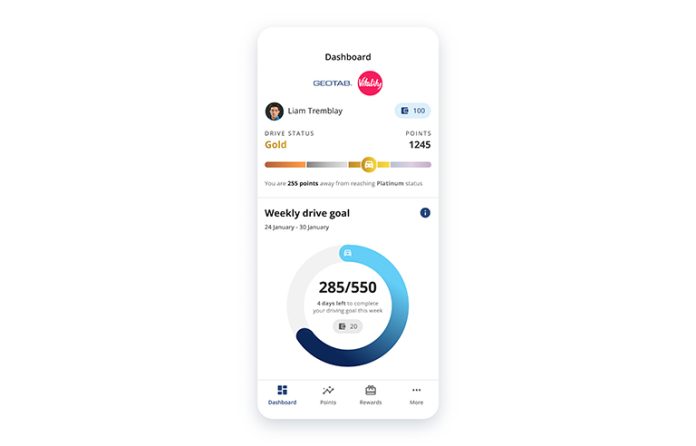
Responding is Steve Lockington, president and CEO, Geotab Vitality, Atlanta.
A driver I met recently put it better than any dataset could. He’d been driving commercially for over 25 years. Perfect record; never been in an accident. And in all that time, no one had ever recognized or rewarded him for it.
As fleet safety leaders, that should make us pause. We’ve built an entire industry around catching what goes wrong and far less around acknowledging what goes right.
A driver speeds, an alert fires, a manager coaches. That model works – it’s taken real risk off the road and detection will always matter. But it has a performance ceiling, and many fleets are already pressed against it.
The limit is structural. A program built only on penalties manages to the threshold. It moves the highest-risk drivers toward a fleet’s minimum expectations (e.g. 10 mph over the limit), but it gives no one a reason to exceed them. Draw a line in the sand and, over time, your fleet gathers around it – you pull the bottom up while also shifting many drivers toward the middle. What you rarely get is excellence because nothing in the system rewards it.
Positive reinforcement is the obvious next step, but the implementation matters. It’s not enough to just bolt points, badges, a leaderboard or gift cards onto your existing safety program. Gamification, or giving “kudos” to drivers, is not the same as behavioral science. Lasting engagement comes from understanding how people decide whether a system is worth trusting, responding to feedback and building habits that make safe driving second nature.
Turning accountability into driver buy-in
People do their best work when they feel engaged and motivated rather than monitored and micromanaged. A driver who feels like a partner in safety will behave very differently from one who feels like you’re watching and waiting for them to make a mistake. Three principles help make that shift possible.
The first is fairness. Drivers will only engage with a program they believe reflects their real experience on the road. If a score feels arbitrary or inaccurate, drivers will slowly disengage.
The second is timing. Recognition has to land close to the behavior it’s reinforcing. Feedback that shows up monthly or quarterly isn’t reinforcement – it’s a report.
The third is attainability. Every driver has to believe they have a path to success. This is where the classic leaderboard can backfire. Reward only the top few performers, and the middle and the bottom decide the game isn’t winnable and check out. Recognize progress and personal improvement, and everyone has a reason to keep going.
None of this means lowering expectations. It means designing accountability in a way that drivers can participate in. That’s how fleets evolve a safety program into a safety culture, in which drivers share responsibility for safety alongside their managers.
From compliance to commitment
Detection produces compliance: Drivers follow the rules when they know they’re measured. Commitment is different – it’s what happens when a driver understands the goal, sees their own progress and believes improvement will be noticed. The distinction matters, because commitment is what shapes how a driver drives when no one’s watching – and that’s the only kind of safety that lasts.
The fleets that build lasting safety cultures won’t be the ones with the most alerts or the flashiest leaderboard. They’ll be the ones who treat engagement as something to be engineered – grounded in credible data, fair measurement and the behavioral science that keeps drivers motivated long after the novelty fades. Detection tells you where the risk is. Reinforcement, done right, is what turns safe trips into safe habits. Over time, that can become a safe career.
And maybe it’s what finally gets a 25-year driver the recognition and reward he earned a long time ago.
McCraren Compliance offers comprehensive safety training to help prevent accidents. Visit our class calendar to see how our training and consulting services can enhance your safety efforts.
Original article published by Safety+Health an NSC publication