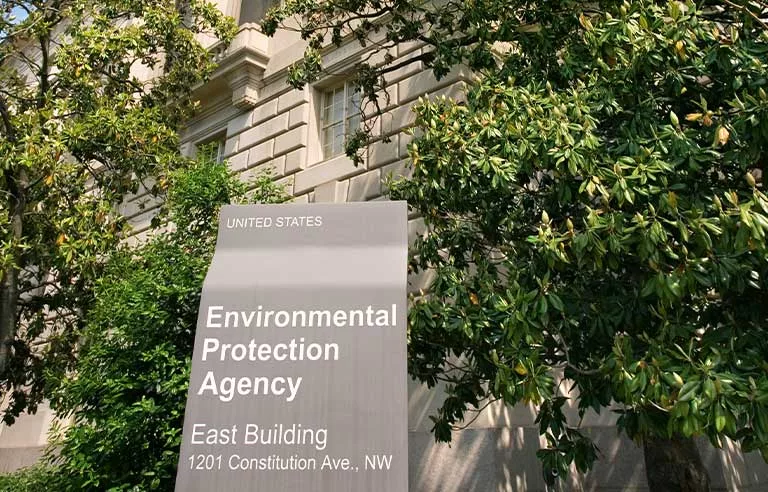
Washington — Prompted by evaluations that identified “unreasonable risks” to worker health, the Environmental Protection Agency says it will regulate various industrial exposures to five phthalate chemicals used in plastics.
Phthalates “make plastics more flexible and durable,” EPA says. Many have widespread use in building materials, adhesives and other industrial applications.
EPA found that unreasonable risk primarily arose from inhalation during spraying applications and manufacturing processes, with certain exposure levels possibly triggering adverse health effects such as hormone deficiencies and endocrine disruption.
The chemicals set to be regulated:
Butyl Benzyl Phthalate (BBP): Used in adhesives and sealants, floor coverings, paints and coatings, and plastic and rubber products
Dibutyl Phthalate (DBP): Used in adhesives and sealants, paints and coatings, floor coverings, furniture, chemiluminescent light sticks, lubricants, fabric, textiles, and leather
Dicyclohexyl Phthalate (DCHP): Used in adhesives, paints and coatings, plastic products, rubber products, and plastic resin manufacturing
Diethylhexyl Phthalate (DEHP): Used in paints and coatings; plastic material and resins; industrial polishes; aerospace products and adhesives; and consumer products including textiles, leather goods and lawn care products
Diisobutyl Phthalate (DIBP): Used in adhesives, sealants, paints, coatings, plastic and rubber manufacturing, fabric dyes, textile and leather treatments, printing inks, toners, and colorants
In a Dec. 31 post to X, agency administrator Lee Zeldin called the risk evaluations the “most comprehensive assessment of phthalates ever conducted by EPA.”
The agency says it will next consult with workers, businesses, labor groups and communities to “develop targeted, practical protections that ensure worker safety and environmental protection” before beginning the rulemaking process.
“Our gold standard science delivered clear answers that these phthalates pose unreasonable risk to workers in specific industrial settings and to the environment,” Zeldin said in a press release. “We’ll work directly with stakeholders to develop targeted protections that keep workers safe and protect our environment.”
McCraren Compliance offers comprehensive safety training to help prevent accidents. Visit our class calendar to see how our training and consulting services can enhance your safety efforts.
Original article published by Safety+Health an NSC publication