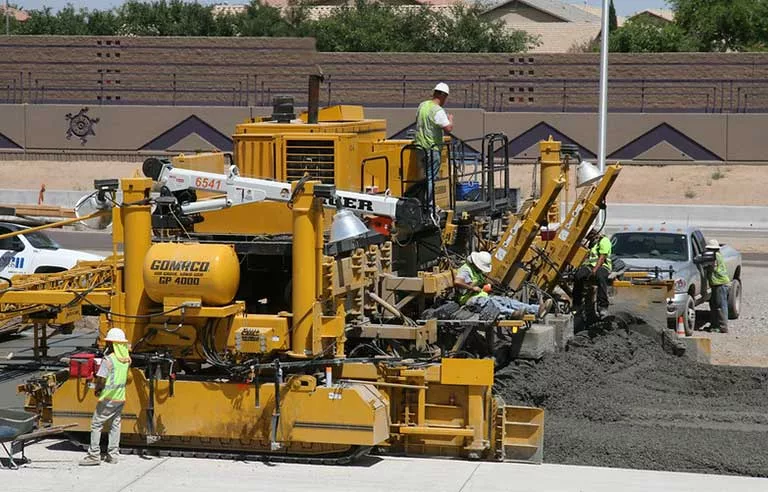
Photo: Arizona Department of Transportation
Phoenix — The Industrial Commission of Arizona has unanimously approved a set of recommendations on protecting workers from heat-related illness and injury.
The guidance, which isn’t an enforceable standard, is intended for employers. It covers best practices for prevention plans; water, shade and rest breaks; acclimatization; and training.
The state will also update its heat emphasis program and “evaluate the updated SEP and report on the effectiveness of the improved guidance before the end of the year.”
Additionally, the Arizona Department of Occupational Safety and Health will initiate a recognition program: the Thermal Hazard Exposure Risk Mitigation Achievement Leader certification. THERMAL recognition is for employers who “go above and beyond to provide protection for their employees.”
The recommendations include a list of exempted workplace tasks and facilities:
- Incidental heat exposure during which an employee isn’t required to perform work activities in heat for more than 15 minutes in any 60-minute period.
- All emergency operations that are directly involved in the protection of life/property or the restoration of essential services, such as evacuation, rescue, medical, structural firefighting, law enforcement, utilities and communications, when employees are engaged in those operations.
- Buildings and structures that have a mechanical ventilation system that keeps the heat index below 80° F.
“Following the original issuance of the Heat SEP in 2023, the number of injuries in the workplace caused by heat has declined,” the commission says in an April 9 press release. “Improving employer guidance in the SEP is expected to continue this trend, helping employers remain productive and employees stay safe.”
McCraren Compliance offers comprehensive safety training to help prevent accidents. Visit our class calendar to see how our training and consulting services can enhance your safety efforts.
Original article published by Safety+Health an NSC publication