What does the visible light transmission percentage mean and how does it affect eyewear performance?

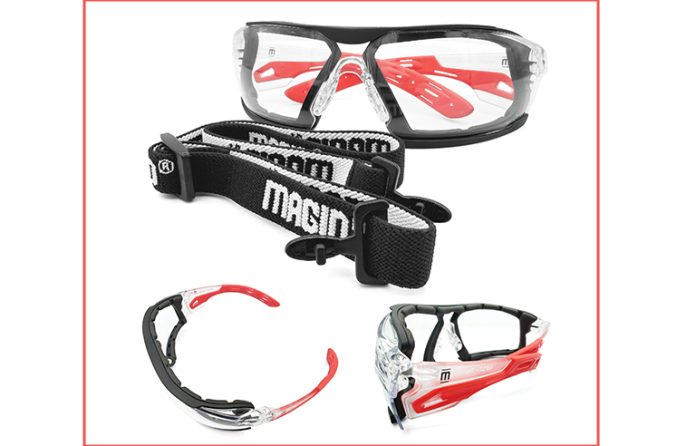
When selecting safety eyewear, many buyers focus on impact ratings, frame durability and ultraviolet protection. Although these factors are critical, one performance metric is often misunderstood or overlooked altogether: visible light transmission.
VLT refers to the percentage of visible light that passes through a lens and reaches the eye. Choosing protective eyewear with the appropriate VLT for the job environment isn’t just a matter of comfort – it directly affects visibility, hazard detection and worker performance.
In dim or low-light settings, lenses with VLT that’s too low can obscure critical hazards.
Reduced light transmission limits the eye’s ability to detect edges, movement and subtle changes in the environment, increasing the risk of slips, tool mishandling or missed warning signals.
On the opposite end of the spectrum, lenses with very high VLT used in bright conditions can allow excessive light into the eye. This often causes squinting, which leads to eyestrain, fatigue and slower reaction times over the course of a long shift.
Color accuracy is another important consideration tied closely to VLT. Higher VLT lenses generally allow more natural color perception, which is essential for tasks requiring precision, such as wiring, assembly, inspection or quality control. When colors are distorted or muted, workers may struggle to differentiate between materials, labels or indicators – subtle issues that can affect both safety and productivity.
Eye comfort plays a central role as well.
Properly matched VLT helps manage brightness and glare, reducing the constant adjustment the eyes must make when moving between environments with different light levels.
Over time, this reduces eye fatigue and headaches, helping workers maintain focus and accuracy throughout extended shifts.
To help simplify selection, safety lenses are typically grouped into standardized VLT performance ranges, each aligned to specific lighting conditions:
Category 0 lenses, with 80% to 100% VLT, are ideal for indoor environments, nighttime work or dimly lit areas in which maximum visibility and color accuracy are required.
Category 1 lenses, ranging from 43% to 80% VLT, perform well in overcast, foggy or low-light outdoor conditions.
Category 2 lenses, with 18% to 43% VLT, are versatile options for medium or variable light and are often used for general outdoor tasks.
Category 3 lenses, transmitting 8% to 18% of visible light, are designed for bright, sunny environments and are common in outdoor work and driving applications.
Category 4 lenses, with just 3% to 8% VLT, are intended for extreme brightness – such as in high-altitude environments or when performing specialized tasks, including welding – and aren’t safe for driving.
It’s also important to note what VLT doesn’t measure. VLT applies only to visible light and isn’t an indicator of UV protection. A clear lens with a VLT above 90% can still provide 100% UV protection if it’s engineered with the proper coatings or materials.
Ultimately, understanding and selecting the appropriate VLT ensures workers see hazards sooner, stay comfortable longer and perform at their best – making VLT a critical factor in effective eye protection, not an afterthought.
McCraren Compliance offers many opportunities in safety training to help circumvent accidents. Please take a moment to visit our calendar of classes to see what we can do to help your safety measures from training to consulting.
Original article published by Safety+Health an NSC publication